What we do
Fabric Sourcing
Running-stock knits and wovens, or sourced to your swatch and target price.

Fabric library
Core qualities, ready to sample
The knits and wovens we run every week — held as running stock or sourced to your swatch. Every lot is checked for shrinkage, torque and colour before cutting.
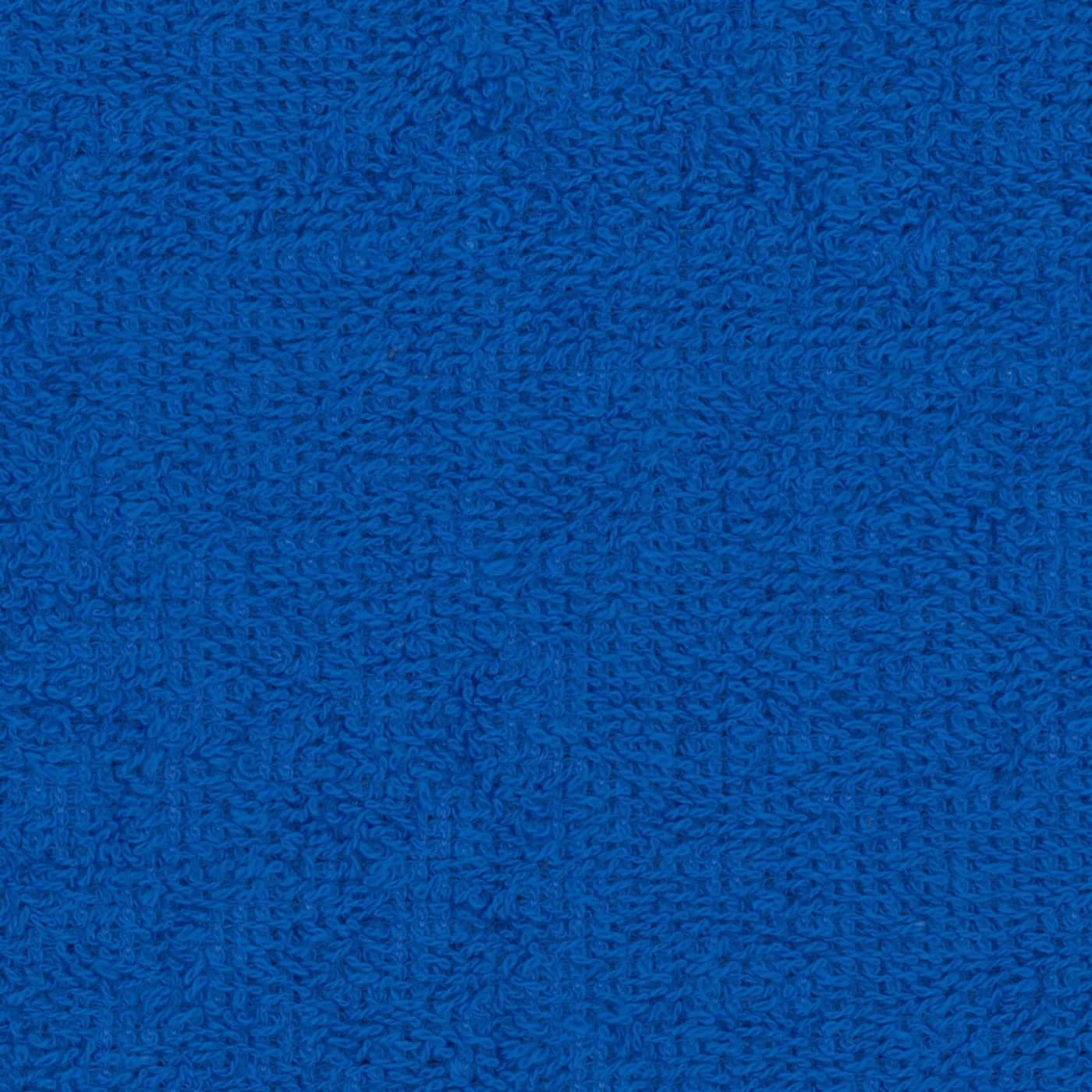
Hoodies & sweats
French Terry
Loopback knit in cotton or CVC, 280–450 GSM — the standard for hoodies, sweatshirts and joggers.
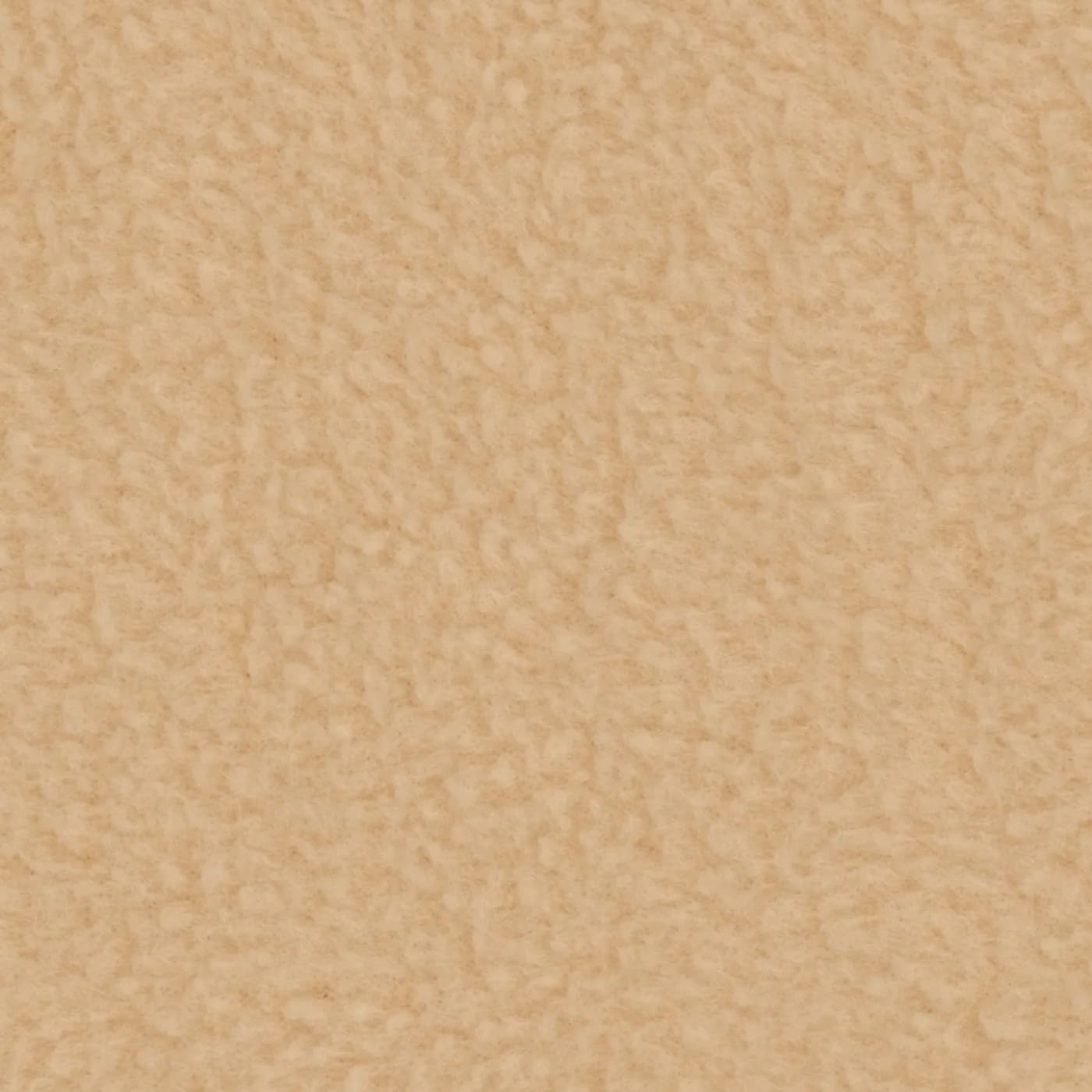
Cold-weather knits
Fleece
Brushed-back fleece, 300–400 GSM — warm, soft-hand hoodies, crewnecks and winter sets.
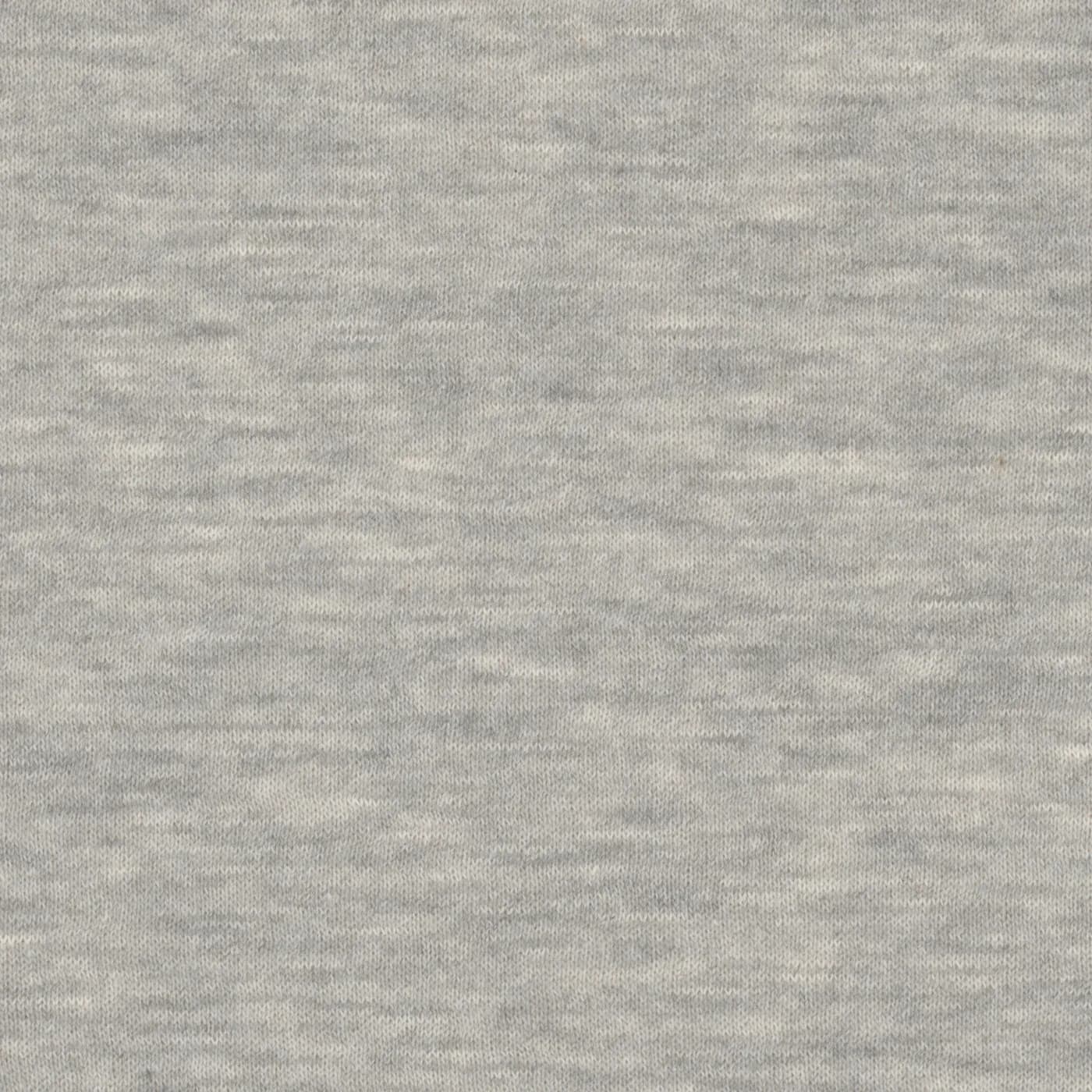
T-shirts
Single Jersey
Combed cotton single jersey, 160–260 GSM — from drapey summer tees to structured boxy cuts.
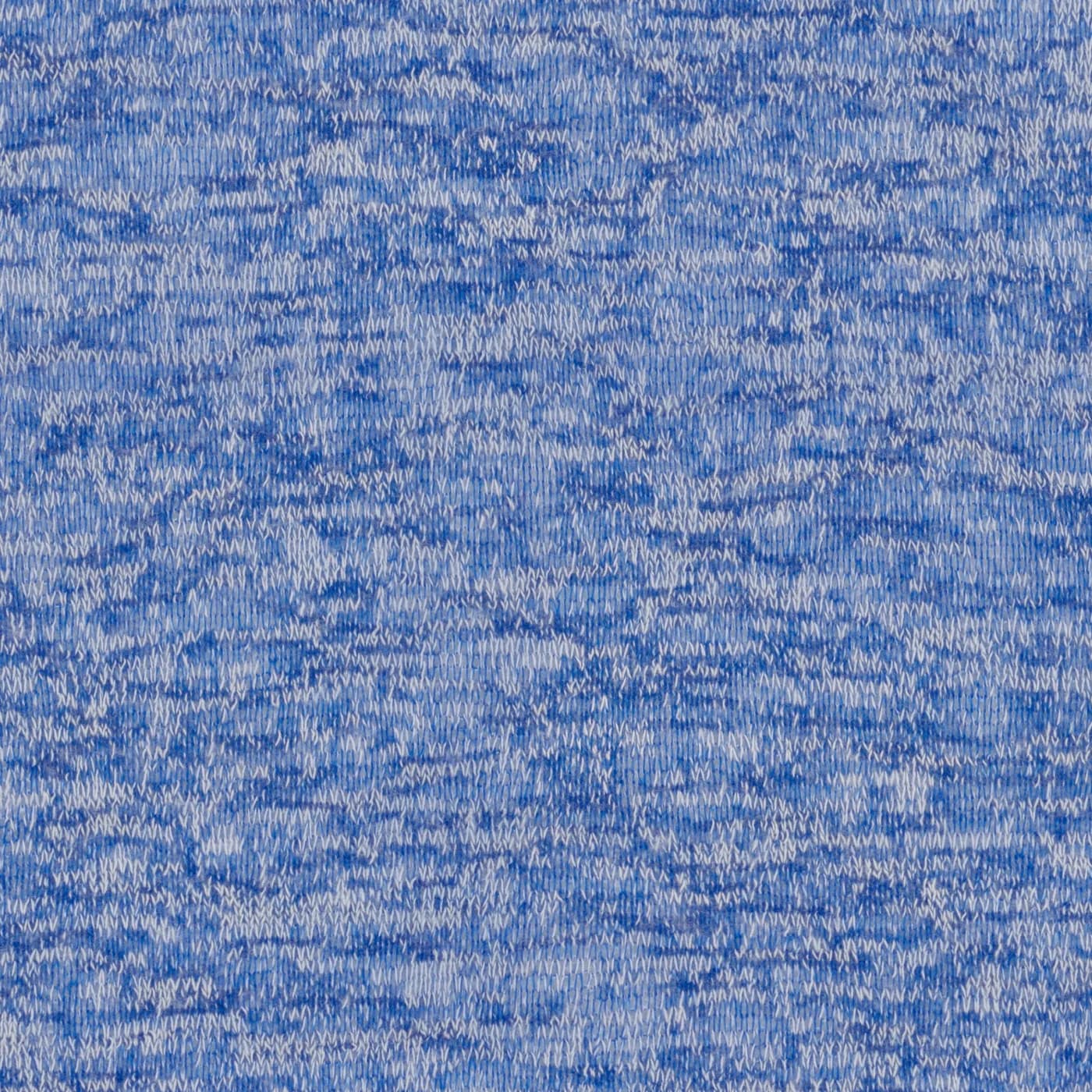
Heathered tees
Melange Jersey
Marl yarns knitted into jersey, 180–240 GSM — heathered tees and sportswear tops.

Polos
Piqué
Waffle-texture cotton piqué, 200–260 GSM — the classic polo knit: breathable with structure.
Loungewear
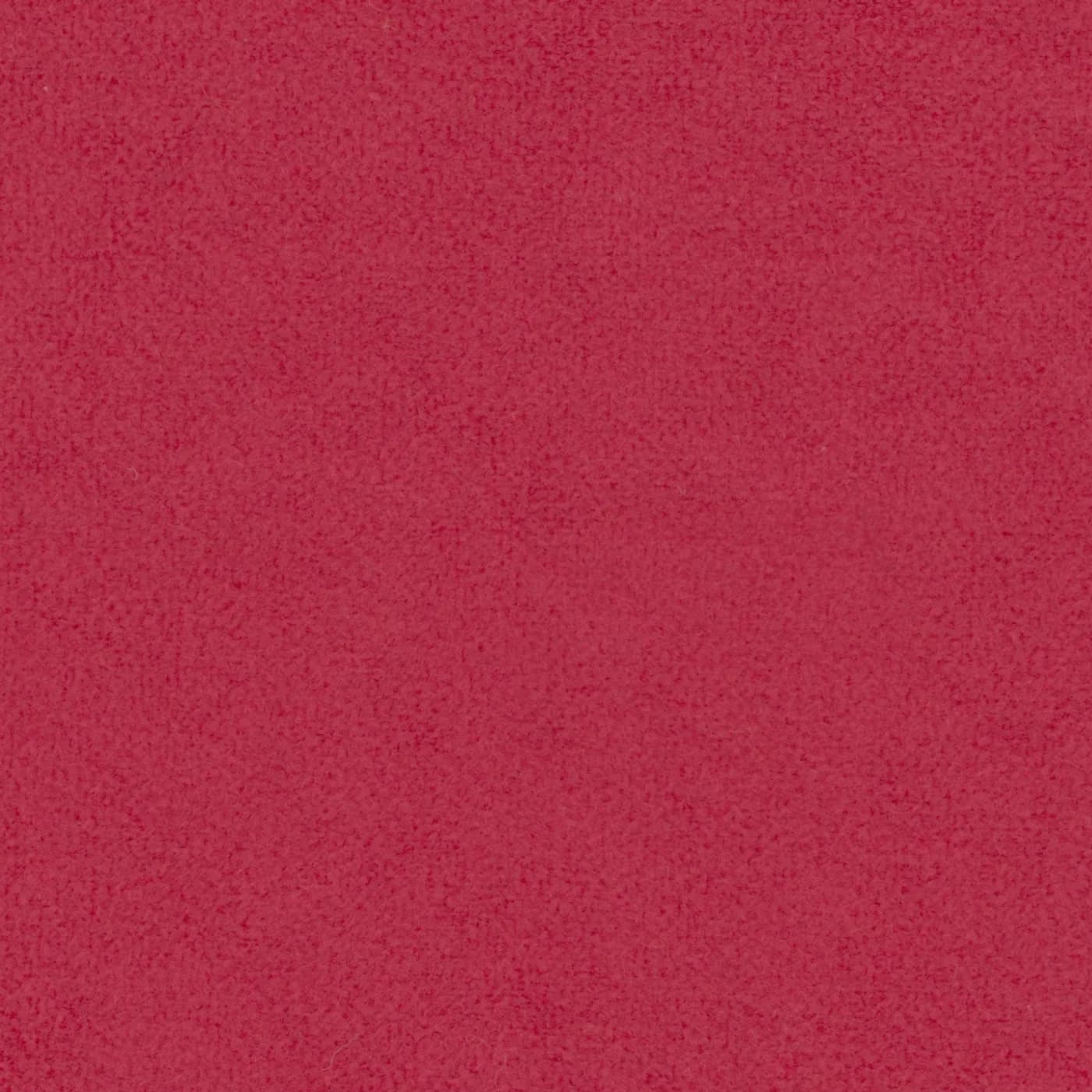
Velour
Plush pile knit with a velvet hand-feel — tracksuits, loungewear and retro streetwear.
Jackets & pants
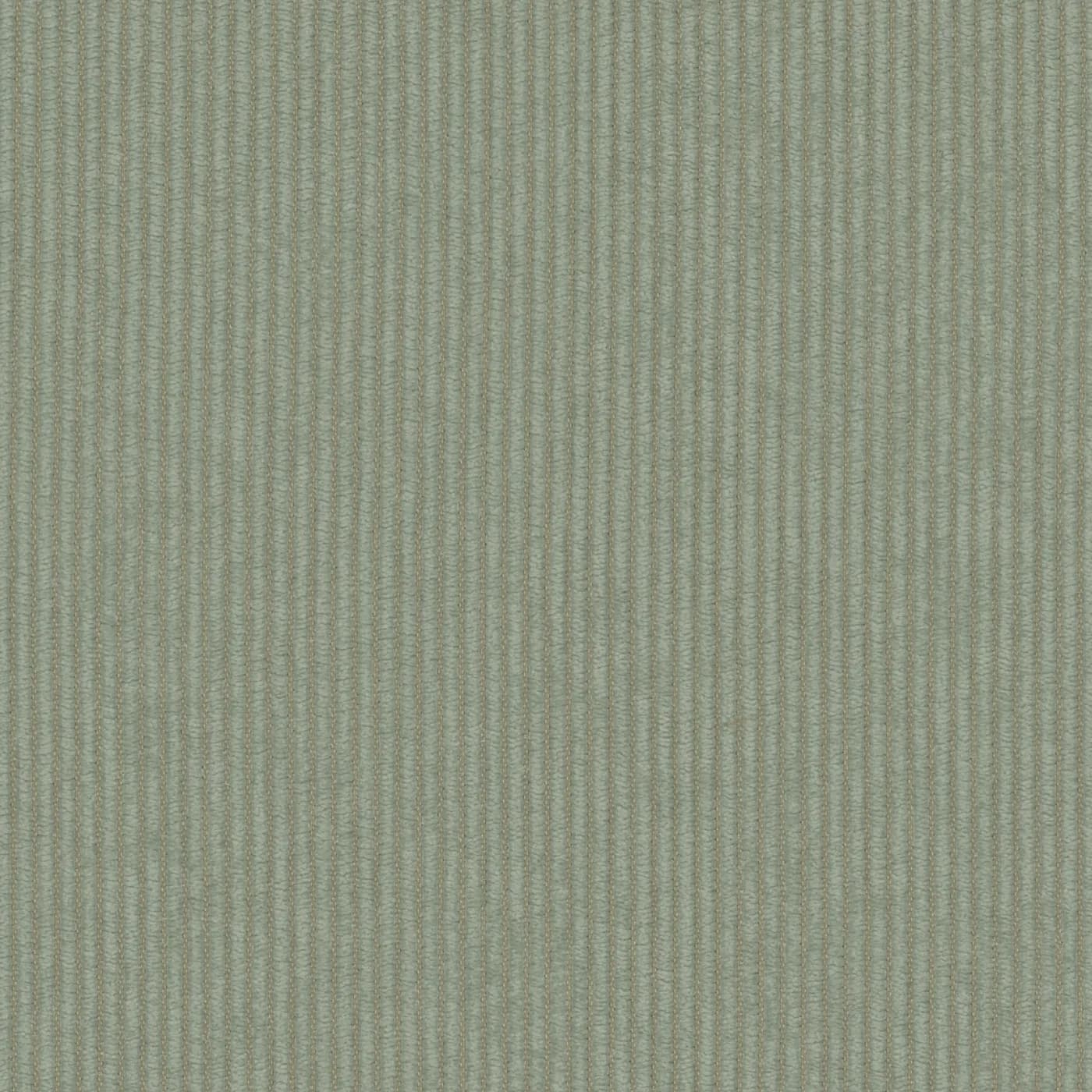
Corduroy
Cotton corduroy from fine to wide wale — jackets, overshirts, pants and caps.
Jeans & jackets
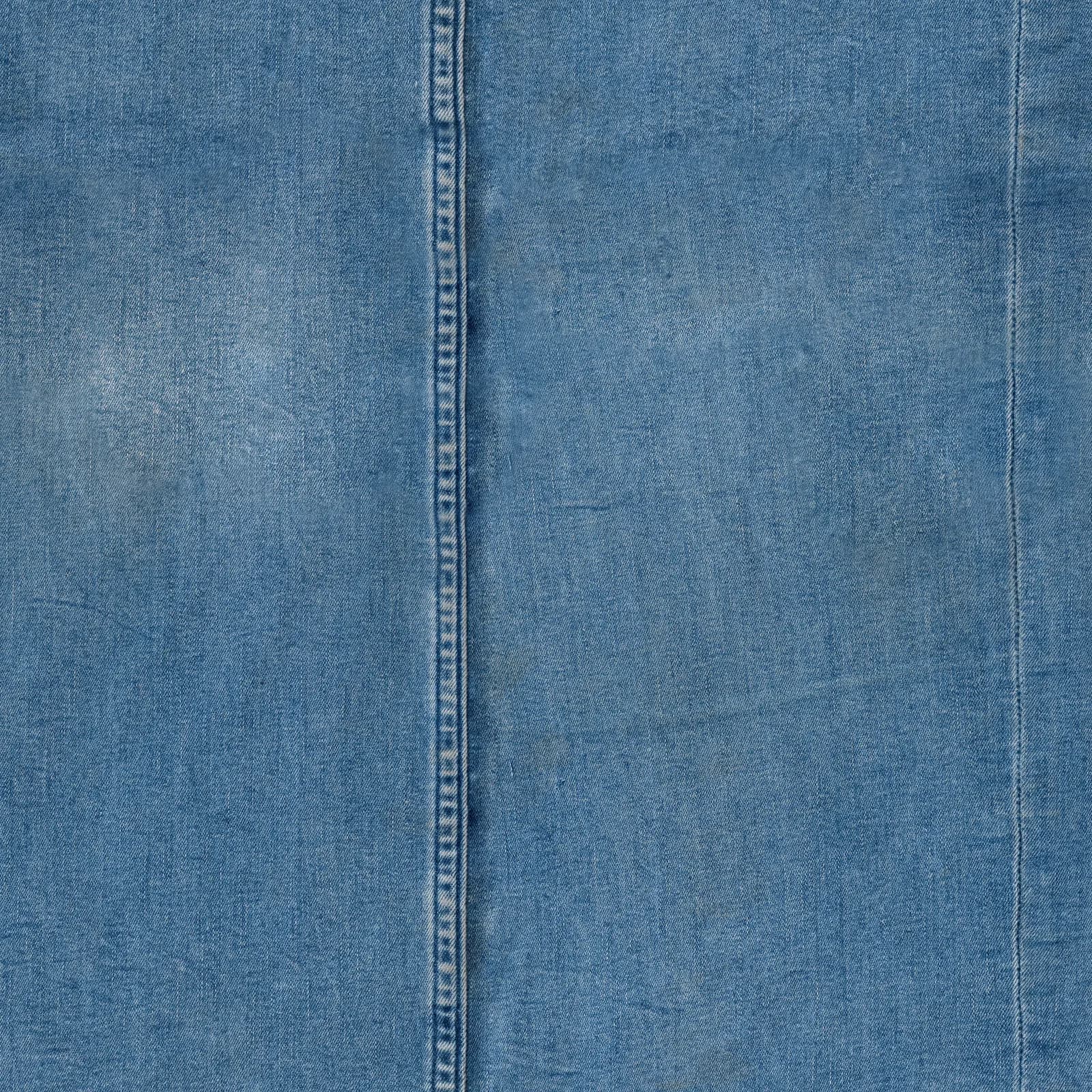
Denim
Indigo denim, 8–14 oz rigid or stretch — jeans, jackets and workwear with custom washes.
Summer shirts
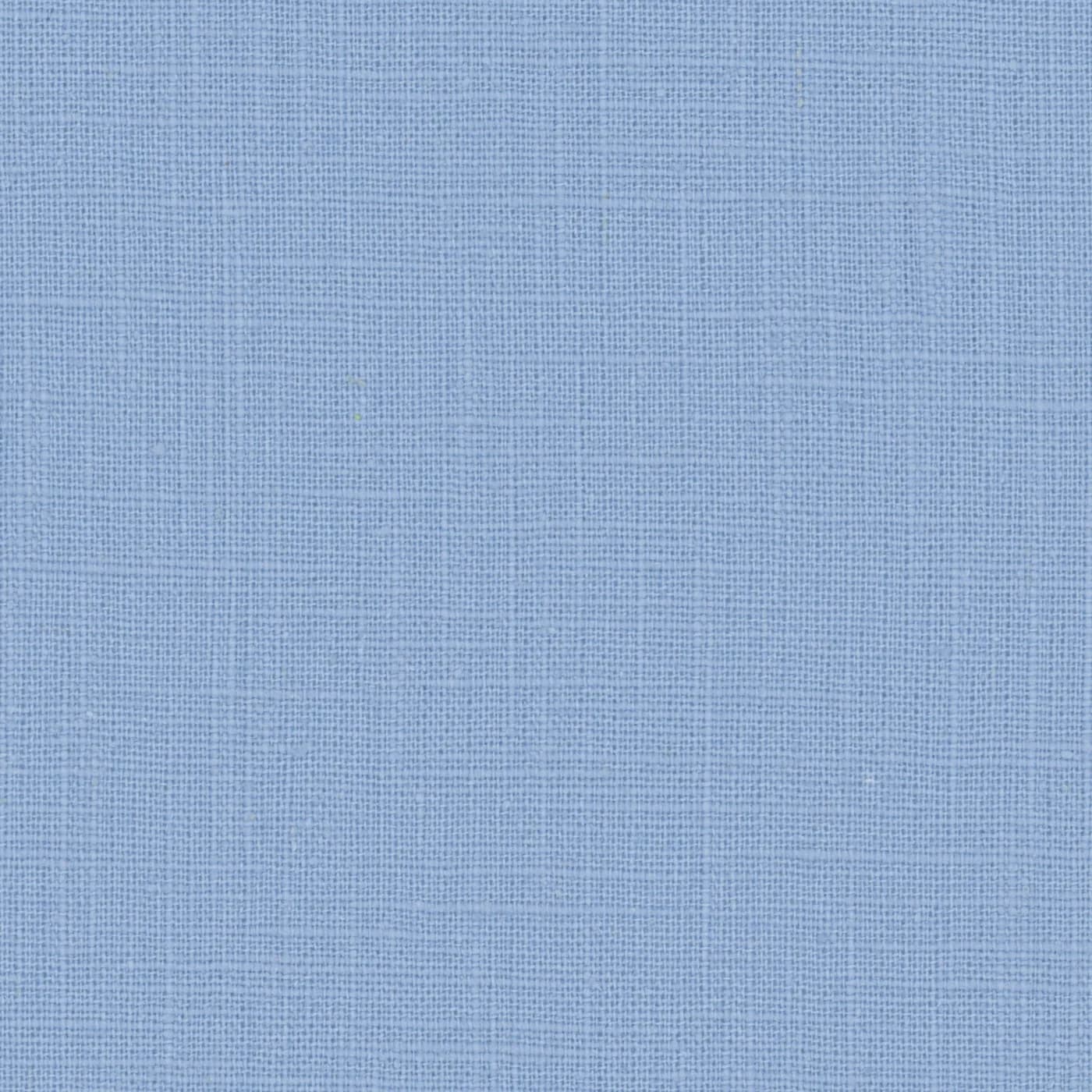
Linen
Pure linen and linen-cotton, 120–180 GSM — airy shirts, shorts and relaxed sets.
Shirts & dresses
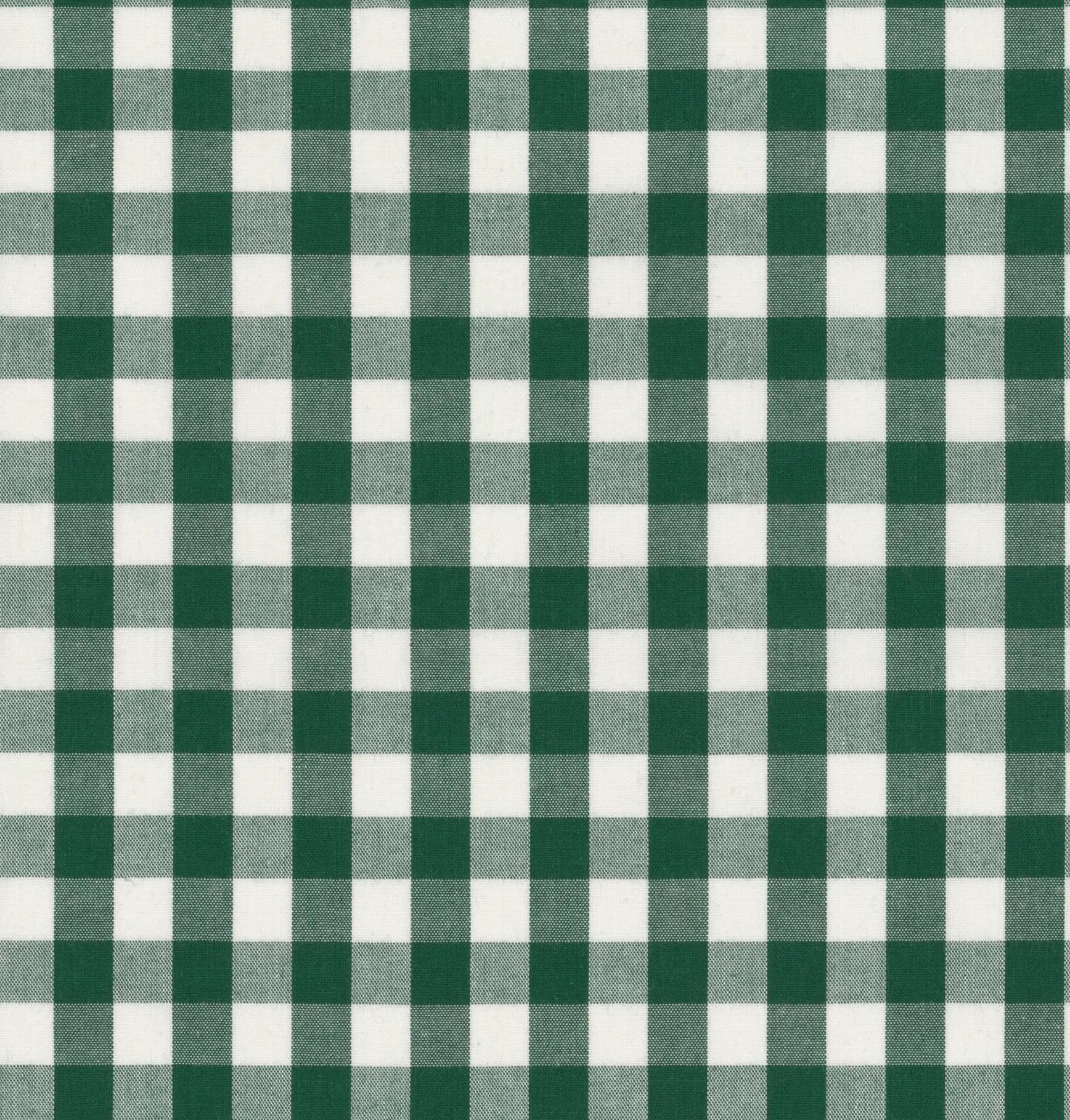
Gingham
Yarn-dyed gingham woven to your colourway — shirts, dresses and co-ord sets.

Chinos & workwear
Twill
Diagonal-weave cotton twill, 200–300 GSM — chinos, cargo pants, workwear and jackets.
Premium knitwear
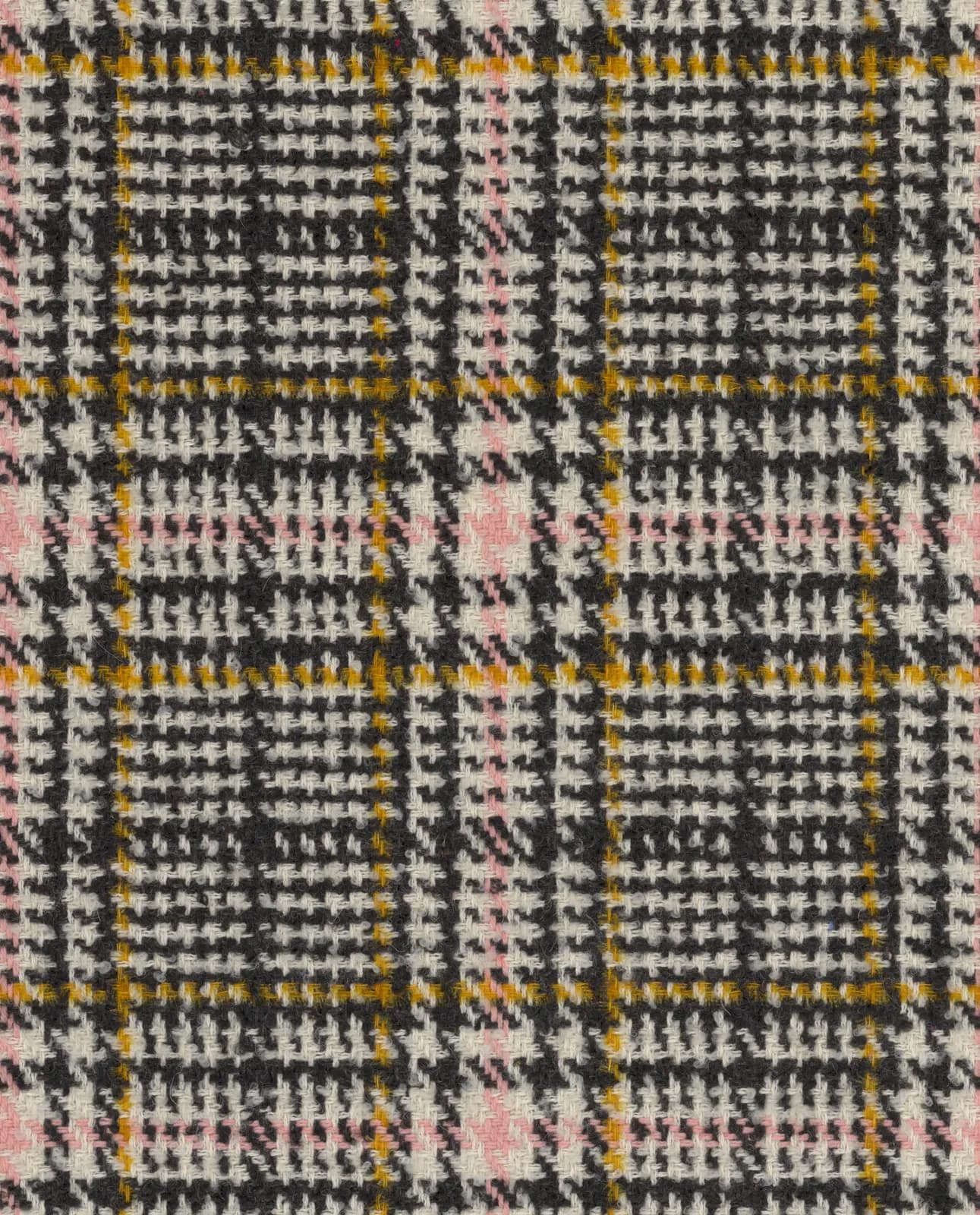
Bouclé
Looped-yarn wool blend with rich texture — statement jackets and premium knitwear.
Need a different quality or colour?
Send a reference or target specification and we will share relevant colour cards, swatch photos and videos.
Fabric is 60–70% of your garment cost, so it is where we start every project. Core knits and wovens — French terry, fleece, jersey, interlock, piqué, rib, poplin, oxford, twill — are held as running stock or sourced from mills we have worked with for years. Stock fabric typically reaches our sample room within a day of purchase.
Matched to your target price
Send a swatch, a reference garment or just a description with a target price. We return two or three fabric options with composition, weight and price differences spelled out, so you can decide with the trade-offs on the table.
Dyeing and testing
Custom dyeing typically needs 100–300 kg per colour for knits, or 500–1,000 metres for wovens, and takes 15–25 days; lab dips take 3–5 working days per round and most colours are approved within 1–2 rounds. Piece dyeing, garment dyeing and wash effects are confirmed on lab dips and strike-offs before bulk. AZO-free test reports from third-party labs are available per batch on request.
Turn a creative direction into a fabric specification
A useful sourcing brief describes performance, appearance and commercial limits together. “Heavy cotton” is open to interpretation; a target composition, GSM range, surface, stretch, colour and finished use gives the mill a result it can reproduce.
Start with the garment and end use
The right fabric for a structured hoodie is different from the right fabric for a draped dress, even if both are cotton. We review silhouette, season, target market, expected retail price and care requirements before recommending constructions. This prevents a visually attractive swatch from becoming a garment that bags at the knees, twists after washing or feels too warm in use.
Define construction, composition and weight
Composition alone does not predict hand-feel. Yarn count, knitting or weaving structure, gauge, finishing and compacting all change the result. A 240 GSM single jersey and 240 GSM interlock behave differently, while two 100% cotton jerseys at the same weight can have different stretch and recovery. Quotes therefore identify the fabric construction as well as fibre content and nominal GSM.
Use a reference without copying its weaknesses
A reference garment is the fastest way to communicate touch, drape and surface. We assess it alongside your price and performance target, then return the closest available option and any sensible alternatives. If the original fabric is unstable, unavailable or too expensive for the order, we explain the trade-off instead of silently substituting it.
Compare fabric options on total garment cost
Running-stock fabrics add no fabric minimum to our 50-piece garment MOQ and typically reach our sample room within a day of purchase; custom dyeing typically needs 100–300 kg per colour for knits or 500–1,000 metres for wovens, and 15–25 days. A lower price per kilogram does not always make a cheaper garment. Yield, usable width, shrinkage, cutting loss, dye minimums and defect allowance can outweigh a small difference in the mill quote.
Evaluate price and yield together
We compare quoted width and finished weight against the marker for your style. A stable fabric with consistent width can produce more usable garments than a cheaper roll with high shrinkage or edge distortion. For matching sets, we also plan consumption and dye lots together so tops and bottoms arrive in the same shade.
Choose running stock or custom development
Running-stock fabrics reduce minimums and lead time because greige or finished goods are already available. A custom mill development gives more control over yarn, weight, colour and finish, but normally carries a fabric-level minimum. We show both routes when possible so an emerging brand can launch without designing itself into an uneconomical material commitment.
Lock substitutions before the purchase order
The approved swatch, supplier, construction, composition, finished width, GSM tolerance and colour reference are recorded on the material specification. Any proposed substitution must be reviewed against that record. This is especially important for repeat orders, where a fabric with the same sales name may come from a different mill or finishing route.
Colour, finishing and bulk approval
Lab dips normally take 3–5 working days per round, and most colours are approved within 1–2 rounds. Colour is approved in stages because a small lab dip, a full roll and a finished garment can look different. Fibre blend, dye class, washing and lighting all influence the final reading.
Approve colour under controlled light
We prepare lab dips against a Pantone reference or physical swatch and label each submission clearly. Brands should review them under the lighting that matters to the product, then keep the selected dip as the master. For garment-dyed styles, approval moves from lab dip to a washed garment panel or full sample because seams and trims affect the result.
Plan finishes as part of the material
Brushing, peaching, enzyme washing, compacting, water repellency and softeners can change weight, shade, shrinkage and surface. They are specified before testing, not added after the fabric passes. When a finish is central to the look, we validate it on the intended production fabric and repeat the same recipe on the bulk lot.
Check the lot before cutting
Bulk fabric is checked for shade continuity, width, weight, visible faults and the agreed performance points before it reaches the cutting room. Rolls are grouped by shade when necessary. Catching a material issue at this stage protects the marker, sewing schedule and decoration process from avoidable rework.
Testing that matches the product risk
Typical targets are dimensional shrinkage within 3–5%, spirality of 3% or less on knits and colourfastness of grade 3–4 or above, depending on the fabric and the client specification. Testing can be arranged to AATCC, ASTM, ISO or GB methods through laboratories such as SGS, Intertek or Bureau Veritas. A test plan should reflect the fibre, finish, colour and end use rather than apply an expensive generic package to every order. We identify the failure modes that would matter to the customer and retailer first.
Dimensional stability and appearance
Shrinkage and spirality affect measurements, seam alignment and print placement. Test garments are washed using the proposed care instruction, measured again and reviewed for torque, pilling and surface change. Pattern allowances can compensate for predictable shrinkage; an unstable result needs a material or finishing correction.
Colourfastness and transfer
Dark and saturated colours may transfer during rubbing, washing or perspiration. Contrast panels, pale embroidery and mixed-fibre garments need particular attention. We can arrange the relevant physical and chemical tests through third-party laboratories and keep the report tied to the fabric lot supplied for the order.
Claims need evidence and chain of custody
Organic, recycled and other preferred-material claims depend on the certification program and the documents that follow material through the supply chain. A supplier certificate alone may not support a finished-product claim. Tell us the intended claim and sales market at the start so material eligibility and transaction documentation can be confirmed before purchase.
What to send for an accurate fabric quote
In-stock swatches are normally ready within 1–3 working days; specially sourced swatches take 3–7 working days. A concise material brief lets us return comparable options instead of a collection of unrelated swatches. It also separates requirements from preferences, which makes cost engineering much faster.
Minimum information
Send the garment category, target composition, approximate GSM, colour count, order quantity, target market and required delivery window. Add a swatch or reference garment when hand-feel is important. If you have a target landed or ex-factory price, include it so we can avoid proposing a material that pushes the whole style outside its commercial range.
Useful performance notes
Explain whether the fabric must stretch, recover, resist pilling, accept a heavy print, survive garment dyeing or meet a retailer test protocol. Mention contrast colours, bonding, coating and special care. These details influence fibre blend and finish, and they are cheaper to solve during sourcing than after the first garment sample.
A decision-ready submission
For each shortlisted option we aim to provide a labelled swatch, construction, composition, nominal weight, usable width, available colours, minimum, price basis and expected lead time. You can then approve, reject or request a targeted revision without restarting the sourcing conversation.
Frequently asked questions
Can you match fabric from a reference garment?
Yes. Send the garment or a cutting large enough to assess construction, weight and finish. We return the closest available options and identify any unavoidable difference before sampling.
What is the minimum for a custom fabric colour?
It depends on the mill, construction and dye route. Running-stock fabric can support our garment MOQ, while a custom knit or dye lot may carry a separate kilogram minimum. We show that minimum before you approve the material.
Do you provide fabric test reports?
Yes. We can arrange relevant physical and chemical testing through third-party laboratories. The test scope and report cost are confirmed against the fibre, finish, sales market and buyer protocol.
How do you prevent shade differences in repeat orders?
We keep the approved colour reference and fabric specification, but each new dye lot still requires approval. Bulk rolls are checked and shade-grouped because colour can vary between lots even when the recipe is unchanged.
Standards & buyer references
Read the primary sources
Independent references for checking terminology, test methods and market requirements while preparing your order.
External resources are provided for general reference. Your brand or importer should confirm the standards and legal requirements that apply to each product and sales market.
Continue planning
Connect the next production decision
What GSM means in fabric
Compare common apparel weight ranges without treating GSM as a quality grade.
Explore →Next stepSample development
Turn the approved fabric and specification into a measurable garment sample.
Explore →DecorationPrinting & embroidery
Match ink, stitch and wash processes to the selected material.
Explore →Product lineHoodies & sweatshirts
See heavyweight French terry and fleece product directions.
Explore →Start your production run
Send your tech pack — get a quote in 5 hours
Share your design, target quantity and delivery country. We reply with fabric options, a sample plan and a bulk estimate.